

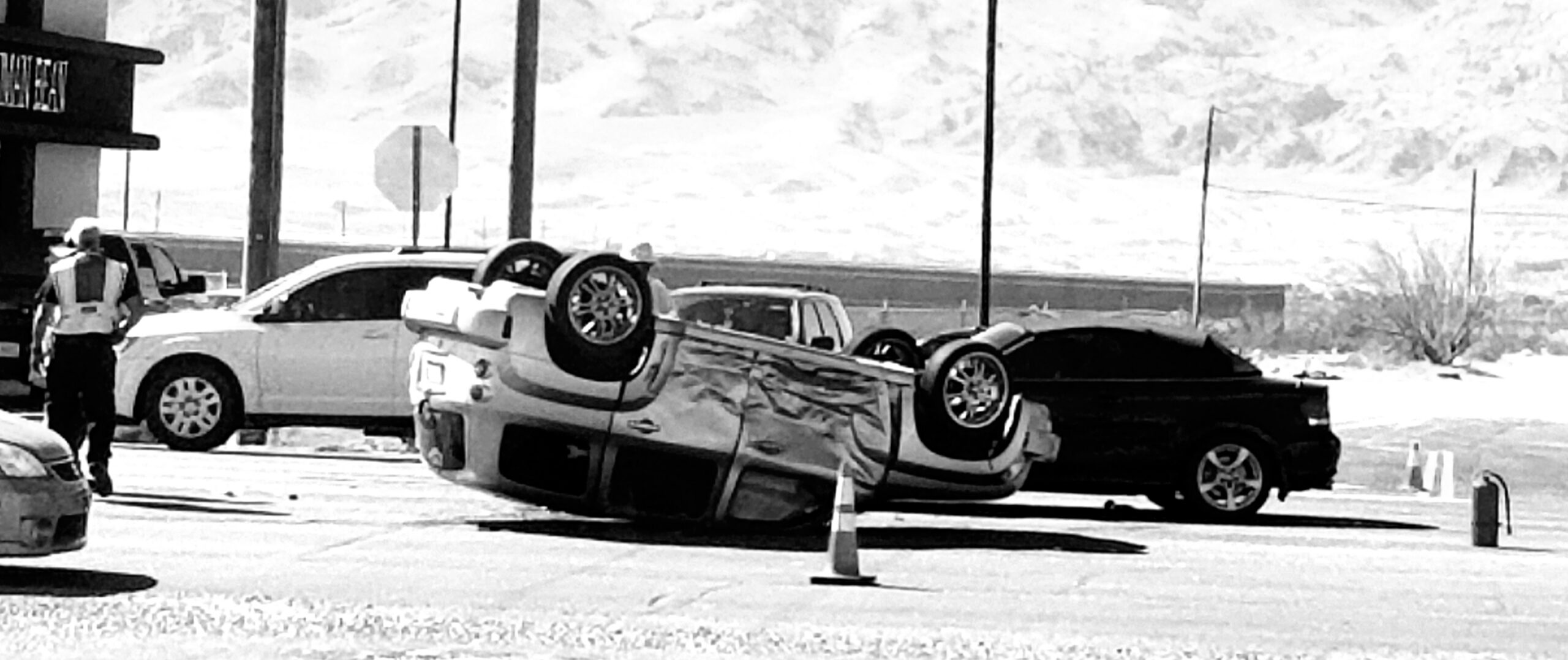
How vehicle design, roof strength, seat belts, and other safety systems may affect rollover injuries—and what injured Arkansans should know about their legal options.
Vehicle rollover accidents can cause devastating injuries and death to drivers and passengers. When a vehicle overturns, occupants may be exposed to multiple impacts, roof collapse, partial or complete ejection, and other dangerous forces. The consequences can include traumatic brain injuries, spinal cord injuries, broken bones, permanent disabilities, and wrongful death.
Although some rollovers result from driver error or hazardous road conditions, others may involve defective vehicle components, inadequate occupant protection, poor design of the vehicle, or negligent conduct by another party.
For Arkansas residents injured in a rollover crash, an important question is whether the incident was simply an unavoidable accident or whether a vehicle defect or another party’s negligence contributed to the crash or made the resulting injuries worse.
What Causes Vehicle Rollover Accidents?
A rollover occurs when a vehicle tips or rotates onto its side or roof. These crashes may happen during a collision, after a vehicle leaves the roadway, or when a driver makes an emergency maneuver.
Common contributing factors include:
- Loss of vehicle stability. A vehicle’s center of gravity, suspension, tires, and steering characteristics can influence its stability during sudden maneuvers.
- Tire or wheel failure. A tire blowout, tread separation, or other component failure may contribute to loss of control.
- Roadway hazards. Soft shoulders, steep embankments, uneven pavement, and roadside obstacles can cause a vehicle to tip, trip or roll.
- Driver actions. Excessive speed for conditions, abrupt steering, or evasive maneuvers may contribute to a rollover. Although driver action is expected when a vehicle component, such as a tire fails while traveling at highway speed.
- Vehicle collisions. An impact with another vehicle can cause a vehicle to overturn, depending on the circumstances.
- Vehicle loading and modifications. Certain loading conditions, alterations, or equipment configurations may affect vehicle stability. Weight in the vehicle or on a trailer, and how that weight is distributed can also affect vehicle stability.
Determining the cause of a rollover requires careful investigation. More than one factor may contribute to the incident, and the apparent cause of a crash does not necessarily explain why an occupant suffered a particular injury.
Can a Defective Vehicle Cause or Worsen a Rollover?
Yes. Depending on the evidence, a vehicle defect may cause or contribute to a rollover or increase the severity of the injuries sustained during one.
Potential areas of concern include:
Vehicle stability and rollover resistance
A vehicle’s design and handling characteristics can affect its response to sudden steering inputs and other driving conditions. In an appropriate case, an investigation may examine the vehicle’s stability, suspension, tires, and electronic stability-control system. Wheel base and center of gravity of the vehicle are important considerations.
Roof strength and structural integrity
When a vehicle rolls onto its roof, the roof structure and supporting pillars help protect the occupants’ survival space. Excessive roof deformation may contribute to serious injuries, such as paralysis, asphyxiation, or death, although the significance of the deformation depends on the crash sequence, occupant position, roof strength and other evidence.
Seat belts and occupant retention
Seat belts are designed to help restrain occupants during a crash and hold them in the seat. These are important parts of the vehicle safety system that are supposed to protect the driver and passengers. Investigators may examine whether the belts, buckles, pretensioners, seats, doors, and other relevant components functioned properly.
Airbags and other safety systems
Depending on the vehicle and crash circumstances, investigators may evaluate airbags, sensors, and electronic safety systems. The presence of an airbag or another safety feature does not, by itself, establish whether the system functioned as intended.
A key distinction is that a vehicle defect need not necessarily have caused the vehicle to roll over to be legally significant. In some cases, the issue is whether a defect contributed to the initial event; in others, the question is whether a safer design or properly functioning component could have reduced the resulting injuries. And even if the defect, for example, a defective airbag that doesn’t deploy in a collision or vehicle event, didn’t cause the collision, if that airbag fails to properly deploy, the vehicle and component manufacturers may be responsible as often times the injuries would not have occurred, or would have been significantly lessened with a properly functioning air bag.
Arkansas Product Liability Law and Vehicle Rollover Claims
Arkansas law permits claims against qualifying product manufacturers and suppliers when a defective product causes legally compensable harm.
Under Ark. Code Ann. § 16-116-101, a supplier may be liable when the supplier is engaged in the business of manufacturing, assembling, selling, leasing, or distributing a product; the product was supplied in a defective condition that rendered it unreasonably dangerous; and the defect was a proximate cause of the harm.
Depending on the evidence, a vehicle rollover case may involve several potential theories.
Defective design. A claim may concern a vehicle’s design, structural integrity, stability, or occupant-protection features.
Manufacturing defect. A particular vehicle or component may have departed from its intended specifications.
Failure to warn. A claim may concern inadequate warnings or instructions about a product-related risk, where the law and evidence support that theory.
Negligence. A manufacturer, repair provider, maintenance company, driver, or another responsible party may have failed to exercise the care required under the circumstances.
Not every rollover supports a product liability claim. The available evidence must establish the required legal elements, including causation. Arkansas law also contains specific rules governing product-liability actions, defenses, and the evidence relevant to whether a product was unreasonably dangerous. It’s important that if one was injured or killed in a rollover, to contact an experienced products liability attorney to investigate if there is a defect that caused the injuries.
Who May Be Responsible for a Rollover Accident?
Responsibility depends on how the crash occurred and what caused the injuries.
Potentially responsible parties may include:
- A negligent driver whose conduct caused or contributed to the collision.
- A vehicle manufacturer, if a qualifying vehicle defect caused the harm.
- A tire or component manufacturer, if a defective component contributed to the incident.
- A repair or maintenance provider, if negligent work contributed to the crash.
- A commercial vehicle operator or fleet owner, where the facts support liability.
- A government entity or other party responsible for a dangerous roadway condition, subject to applicable legal requirements and defenses.
More than one party may bear responsibility. An investigation should identify the potential causes of the crash, the source of each alleged defect or failure, and the connection between those issues and the injuries.
How Does Comparative Fault Work in Arkansas?
Insurance companies may argue that a driver or injured occupant contributed to an accident or the resulting injuries. Arkansas has a comparative-fault statute that addresses how fault affects recovery.
Under Ark. Code Ann. § 16-64-122, a claimant generally may recover damages in a covered fault-based action when the claimant’s fault is less than the fault chargeable to the party or parties from whom recovery is sought. Recoverable damages are reduced in proportion to the claimant’s fault. If the claimant’s fault is equal to or greater than the fault chargeable to the party or parties from whom recovery is sought, the statute generally bars recovery. Other applicable statutory provisions may affect the analysis.
In a rollover case, the relevant issues may include speed, steering, seat-belt use, vehicle maintenance, the involved vehicle, road conditions, and the conduct of other drivers. The effect of any particular fact depends on the evidence and the applicable law.
An insurance company’s initial assessment of fault is not necessarily the final determination of legal responsibility.
What Evidence Is Important After a Vehicle Rollover?
Rollover investigations can depend heavily on physical and electronic evidence. Some evidence may be lost if the vehicle is repaired, dismantled, or scrapped before it can be examined.
Important evidence may include:
- Photographs and video of the vehicle, roadway, and crash scene.
- The vehicle itself and relevant components, including tires, wheels, seat belts, and structural parts.
- Police reports and witness statements.
- Medical records documenting the injuries and treatment.
- Vehicle maintenance, repair, and recall records.
- Event data recorder information, when available.
- Expert analysis of vehicle dynamics, structural damage, and injury mechanisms.
The vehicle’s electronic data may help clarify certain aspects of a crash, but the information available varies by vehicle and system. It should be interpreted in context rather than treated as a complete reconstruction.
When a vehicle defect may be involved, preserving the vehicle and coordinating any inspection or testing with the appropriate parties can be particularly important. A qualified attorney and technical experts can help evaluate what evidence should be preserved and how it should be examined.
What Damages May Be Available After a Rollover Accident?
When liability is established, recoverable damages depend on the facts, the injuries, and the applicable law.
Potential categories of damages may include:
- Medical expenses and reasonably supported future medical costs.
- Lost wages and diminished earning capacity.
- Physical pain and suffering.
- Permanent impairment or disability.
- Disfigurement and loss of normal activities.
- Other legally recoverable losses resulting from the incident.
In fatal rollover accidents, eligible surviving family members or the estate may have claims under applicable Arkansas wrongful-death and survival laws. Who may bring a claim and which damages may be recovered depend on the circumstances and governing statutes.
No particular category of damages is automatically available in every case. The evidence must support the claimed losses, and applicable legal requirements must be satisfied.
Arkansas Deadlines for Vehicle Rollover Claims
Time limits can be an important consideration after a serious crash.
Arkansas Code Annotated § 16-116-203 provides that product-liability actions must be commenced within three years after the death, injury, or damage complained of occurs. Other claims may be subject to different rules, and special requirements may apply when a governmental entity is involved or when the injured person is a minor.
The applicable deadline should not be assumed from the date an insurance claim is opened or settlement negotiations begin. The relevant facts, legal theories, and any applicable exceptions should be reviewed promptly by an attorney.
What Should You Do After a Serious Rollover Crash?
If you or a family member has been involved in a rollover accident, consider these practical steps:
- Prioritize medical care. Seek appropriate medical evaluation and follow the treatment recommendations of your healthcare providers.
- Keep available records. Preserve photographs, insurance correspondence, repair documents, medical records, and other relevant materials.
- Avoid altering or disposing of the vehicle prematurely. If a defect may have contributed to the incident, seek guidance about preserving the vehicle and its components.
- Document what you remember. Record the circumstances of the crash while your recollection is fresh, without guessing about facts you do not know.
- Be careful with statements and releases. Understand the implications of settlement documents and requests for recorded statements before proceeding.
- Seek legal advice promptly. An attorney can assess potential claims, identify relevant deadlines, and advise on evidence preservation.
These steps are general information, not a substitute for advice tailored to the facts of an individual case.
Speak With an Arkansas Attorney About a Vehicle Rollover
A serious rollover accident can leave a person or family facing extensive medical treatment, financial uncertainty, and difficult questions about what went wrong.
Determining whether a vehicle defect, negligent conduct, or another factor contributed to the incident may require a detailed review of the available evidence, applicable Arkansas law, and technical expert analysis.
If you or a family member has been injured in a vehicle rollover, the Daniels Law Firm can discuss the circumstances of the incident and help you understand potential legal options. Contact our office to arrange a consultation. These are complicated cases that require years of experience and knowledge of vehicle products liability. At the Daniels Law Firm, we have practiced products liability law and crashworthiness law for over 30 years.
Legal disclaimer: This article is provided for general informational and educational purposes and is not legal advice. It does not create an attorney-client relationship. The outcome of any legal matter depends on its specific facts and applicable law. Readers should consult a qualified attorney about their individual circumstances. This article is not a guarantee or prediction of any particular result